Amanita muscaria (Fly agaric) — Poisonous Mushroom
Korean name: 광대버섯
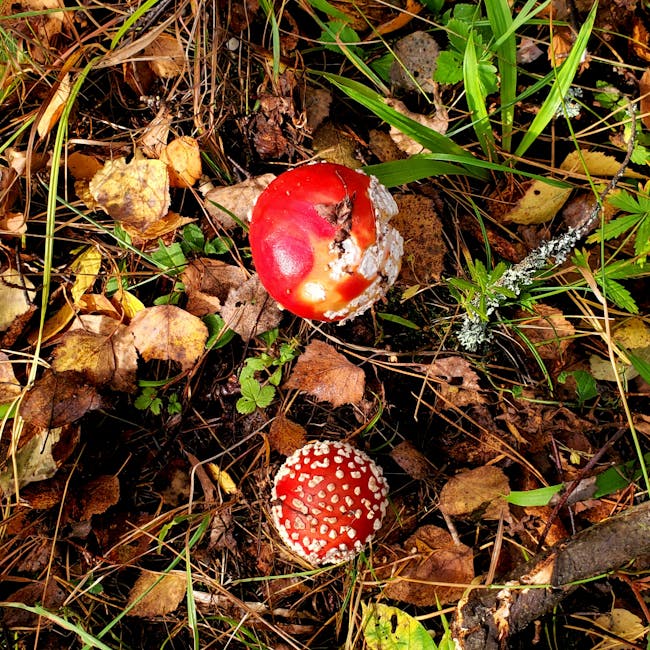
The iconic red-capped mushroom dotted with white warts. It contains hallucinogenic compounds and neurotoxins, and is the classic fairy-tale toadstool.
Key facts
- Category: Poisonous mushroom
- Toxicity: Poisonous — do not eat. Keep children and pets away.
- Native to: Temperate to subarctic regions worldwide
- Traits: Neurotoxin, Hallucinogen, Red cap, White warts, Amanita
- Also known as: Fly agaric
Toxicity
- Dogs: Toxic
- Cats: Toxic
- Horses: Not confirmed
- Humans: Toxic
- Risky parts: 자실체 전체
- Toxic compound: 이보텐산, 무시몰
- Source: 농촌진흥청 국립원예특작과학원 버섯정보포털 — 독성정보(독소별 중독·혼동 식용버섯) · checked 2026.11
- Source: 산림청 국립수목원 — 가을철 독버섯 주의 보도자료 · checked 2026.11
Any plant can upset the stomach if eaten in quantity. This information is for reference only — contact a vet or doctor right away if you notice symptoms.
Toxicity, identification & first aid
- Toxic symptoms: Contains ibotenic acid and muscimol. Nausea, hallucinations, confusion and seizures begin 30 minutes to 2 hours after eating. Severe cases can lead to coma.
- Appearance: Cap 8–20 cm, scarlet to orange with white warty patches. White stem with a ring.
- Where found: Conifer (pine) and birch forests and mixed woodland, common in mountain forests.
- Season: Summer to autumn (July–October)
- Look-alike warning: Caesar's mushroom relatives such as Amanita hemibapha (edible; orange but without white patches).
- Emergency action: Call emergency services (119 in Korea) and go to the ER immediately. Do not induce vomiting. Neurotoxin treatment is required.
Common questions
Can you eat Amanita muscaria?
No. Amanita muscaria is poisonous. Contains ibotenic acid and muscimol. Nausea, hallucinations, confusion and seizures begin 30 minutes to 2 hours after eating. Severe cases can lead to coma.
What does Amanita muscaria look like and where does it grow?
Cap 8–20 cm, scarlet to orange with white warty patches. White stem with a ring. Conifer (pine) and birch forests and mixed woodland, common in mountain forests. Summer to autumn (July–October)
What can Amanita muscaria be mistaken for?
Caesar's mushroom relatives such as Amanita hemibapha (edible; orange but without white patches).
What should you do if someone eats Amanita muscaria?
Call emergency services (119 in Korea) and go to the ER immediately. Do not induce vomiting. Neurotoxin treatment is required.