How to Care for Pilosocereus pachycladus (Blue Torch Cactus)
Korean name: 필로소세레우스
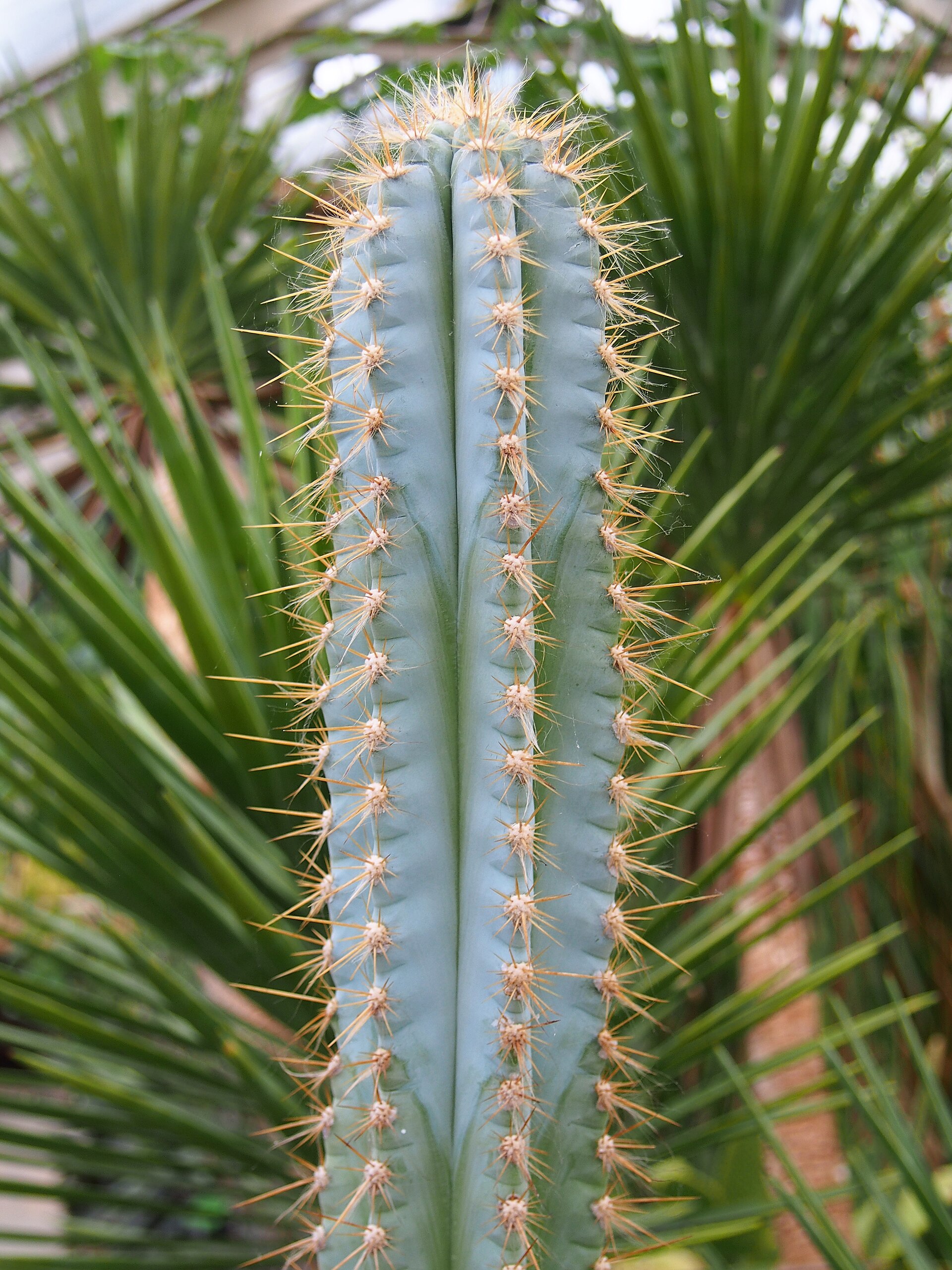
Pilosocereus pachycladus is a blue column cactus characterized by its thick, bluish stems. It grows tall in a columnar form and is well adapted to dry environments. It is relatively easy to care for, making it suitable for beginners.
Key facts
- Category: Cactus
- Difficulty: Easy
- Where to keep: indoors or outdoors
- Native to: Brazil and other parts of South America
- Growth rate: Moderate
- Pets: Mildly toxic, so keep pets from chewing on it.
- Traits: blue column cactus, beginner friendly, drought tolerant
- Also known as: Blue Torch Cactus, Blue Column Cactus
Care Guide
- Light: Prefers bright, direct sunlight.
- Watering: Water when the soil is completely dry, maintaining dry conditions.
- Soil: Well-draining cactus soil is recommended.
- Humidity: Suitable for low humidity environments.
- Temperature: 15~30°C
- Fertilizer: Apply diluted liquid fertilizer for cacti once a month during the growing season.
Common questions
How often should you water Pilosocereus pachycladus?
Water when the soil is completely dry, maintaining dry conditions. Roughly every 14 days is the baseline; adjust for the season and the spot it sits in.
Where should you keep Pilosocereus pachycladus?
Light: Prefers bright, direct sunlight. You can grow it indoors or outdoors. Soil: Well-draining cactus soil is recommended.
Is Pilosocereus pachycladus safe around pets?
Mildly toxic, so keep pets from chewing on it.
Is Pilosocereus pachycladus good for beginners?
Difficulty: Easy. It is forgiving enough for a first plant. Temperature: 15~30°C. Humidity: Suitable for low humidity environments. Fertiliser: Apply diluted liquid fertilizer for cacti once a month during the growing season.
Related plants
- Ferocactus glaucescens (Blue barrel cactus)
- Hatiora salicornioides (Drunkard's Dream)
- Pereskia aculeata (Barbados Gooseberry)
- Schlumbergera × buckleyi (Christmas Cactus)
- Parodia magnifica (Ball Cactus)
- Schlumbergera truncata (Christmas Cactus)
- Tephrocactus articulatus (Paper Spine Cactus)
- Disocactus ackermannii (Rabbit Ear Cactus)