How to Care for Hylotelephium spectabile (Showy stonecrop)
Korean name: 큰꿩의비름
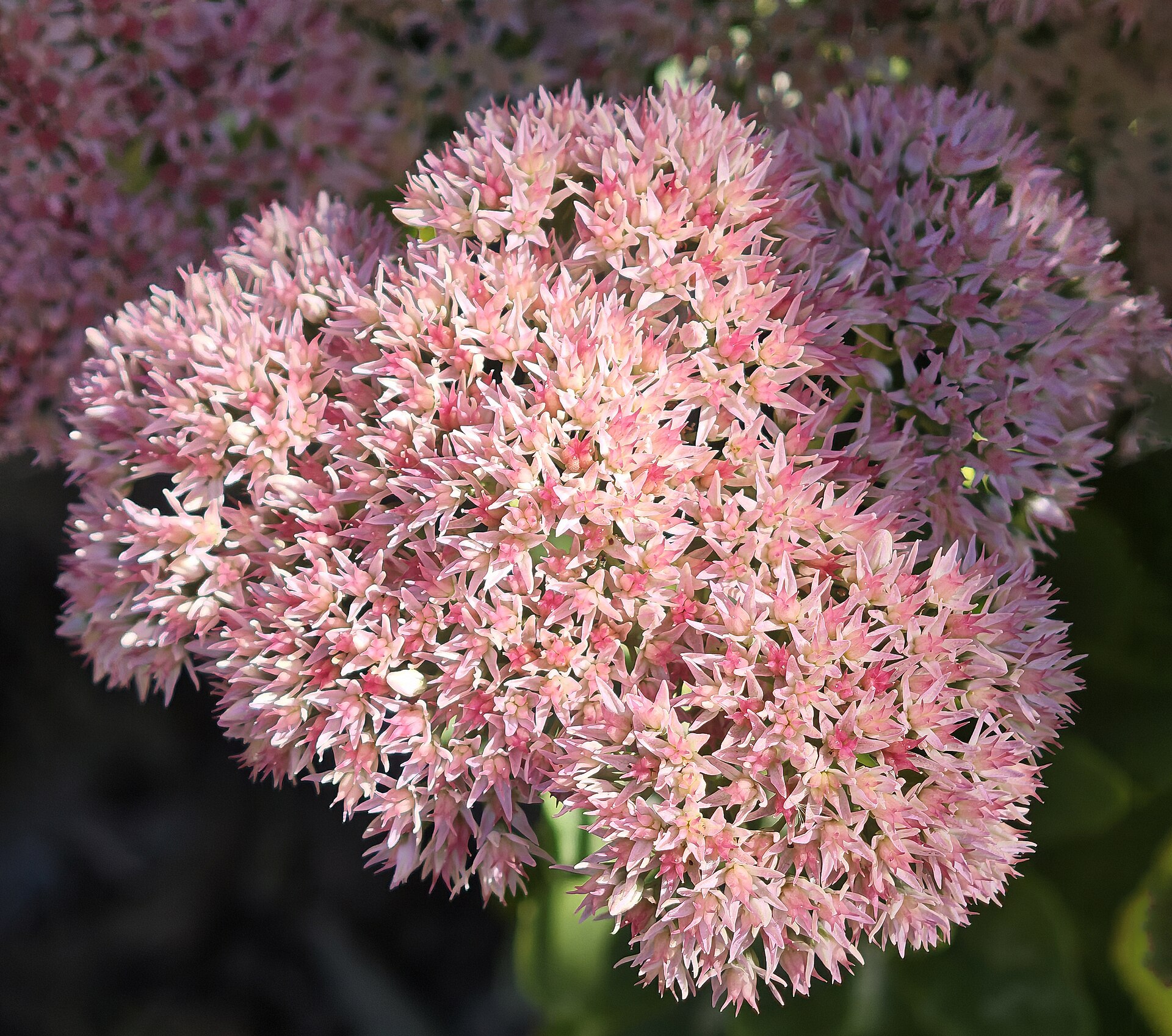
Hylotelephium spectabile is a succulent perennial herb known for its thick leaves and large flower clusters. It blooms pink to light red flowers in autumn and prefers sunny locations. It is drought-tolerant and easy to grow for beginners.
Key facts
- Category: Succulent
- Difficulty: Easy
- Where to keep: indoors or outdoors
- Native to: East Asia
- Growth rate: Moderate
- Pets: Mildly toxic, so keep pets from chewing on it.
- Traits: succulent, autumn bloomer, beginner friendly, sun loving
- Also known as: Showy stonecrop, Ice plant, Autumn Joy sedum
Care Guide
- Light: Prefers full sunlight and bright locations.
- Watering: Water thoroughly when the soil is completely dry.
- Soil: Well-draining sandy soil is best.
- Humidity: Suitable for average indoor humidity.
- Temperature: 15~25°C
- Fertilizer: Apply low-concentration slow-release fertilizer every 1-2 months during growing season.
Common questions
How often should you water Hylotelephium spectabile?
Water thoroughly when the soil is completely dry. Roughly every 7 days is the baseline; adjust for the season and the spot it sits in.
Where should you keep Hylotelephium spectabile?
Light: Prefers full sunlight and bright locations. You can grow it indoors or outdoors. Soil: Well-draining sandy soil is best.
Is Hylotelephium spectabile safe around pets?
Mildly toxic, so keep pets from chewing on it.
Is Hylotelephium spectabile good for beginners?
Difficulty: Easy. It is forgiving enough for a first plant. Temperature: 15~25°C. Humidity: Suitable for average indoor humidity. Fertiliser: Apply low-concentration slow-release fertilizer every 1-2 months during growing season.
Related plants
- Crassula ovata 'Hummel's Sunset' (Jade Plant)
- × Pachyveria 'Clavifolia' (Pachyveria Clavifolia)
- Crassula perforata (String of buttons)
- Pachyphytum oviferum (Moonstones)
- Crassula capitella (Campfire Crassula)
- Fenestraria rhopalophylla (Baby Toes)
- Crassula muscosa (Watch Chain)
- Portulacaria afra (Elephant Bush)