How to Care for Coryphantha elephantidens (Elephant Tooth Cactus)
Korean name: 코리판타
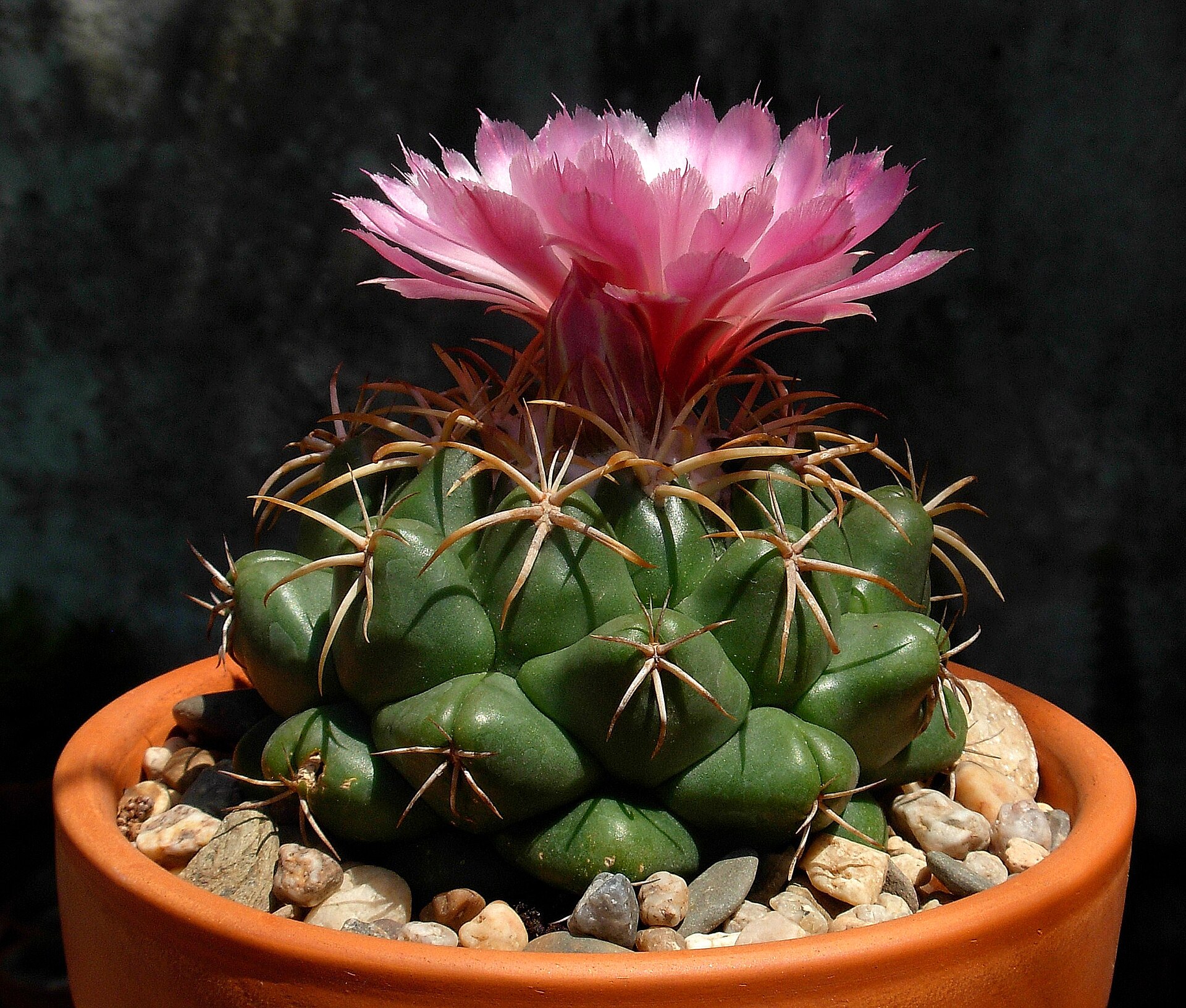
Coryphantha is a small, round cactus distinguished by its strong ivory-colored spines. Its symmetrical spine arrangement makes it highly ornamental. It is well adapted to dry conditions and relatively easy to care for.
Key facts
- Category: Cactus
- Difficulty: Moderate
- Where to keep: indoors or outdoors
- Native to: Mexico
- Growth rate: Slow
- Pets: Mildly toxic, so keep pets from chewing on it.
- Traits: cactus, drought-tolerant, beginner-friendly, ornamental
- Also known as: Elephant Tooth Cactus, Elephantidens Coryphantha
Care Guide
- Light: Requires plenty of bright, direct sunlight.
- Watering: Water thoroughly when soil is completely dry during the growing season. Avoid watering in winter.
- Soil: Use well-draining cactus soil mix.
- Humidity: Prefers dry conditions.
- Temperature: 15~30°C
- Fertilizer: Apply diluted cactus liquid fertilizer once every 1–2 months during growth.
Common questions
How often should you water Coryphantha elephantidens?
Water thoroughly when soil is completely dry during the growing season. Avoid watering in winter. Roughly every 14 days is the baseline; adjust for the season and the spot it sits in.
Where should you keep Coryphantha elephantidens?
Light: Requires plenty of bright, direct sunlight. You can grow it indoors or outdoors. Soil: Use well-draining cactus soil mix.
Is Coryphantha elephantidens safe around pets?
Mildly toxic, so keep pets from chewing on it.
Is Coryphantha elephantidens good for beginners?
Difficulty: Moderate. Temperature: 15~30°C. Humidity: Prefers dry conditions. Fertiliser: Apply diluted cactus liquid fertilizer once every 1–2 months during growth.
Related plants
- Cereus repandus (Peruvian apple cactus)
- Cleistocactus strausii (Silver Torch Cactus)
- Gymnocalycium mihanovichii (Moon cactus)
- Tephrocactus articulatus (Paper Spine Cactus)
- Epiphyllum oxypetalum (Queen of the Night)
- Parodia magnifica (Ball Cactus)
- Myrtillocactus geometrizans (Blue Myrtle Cactus)
- Pereskia aculeata (Barbados Gooseberry)